The latest data confirms what many have long feared: forest fires are becoming increasingly widespread and destructive across the globe.
Drawing on updated satellite data from researchers at the University of Maryland—covering the years 2001 to 2024—we found that forest fires now burn more than twice as much tree cover annually as they did just two decades ago.¹
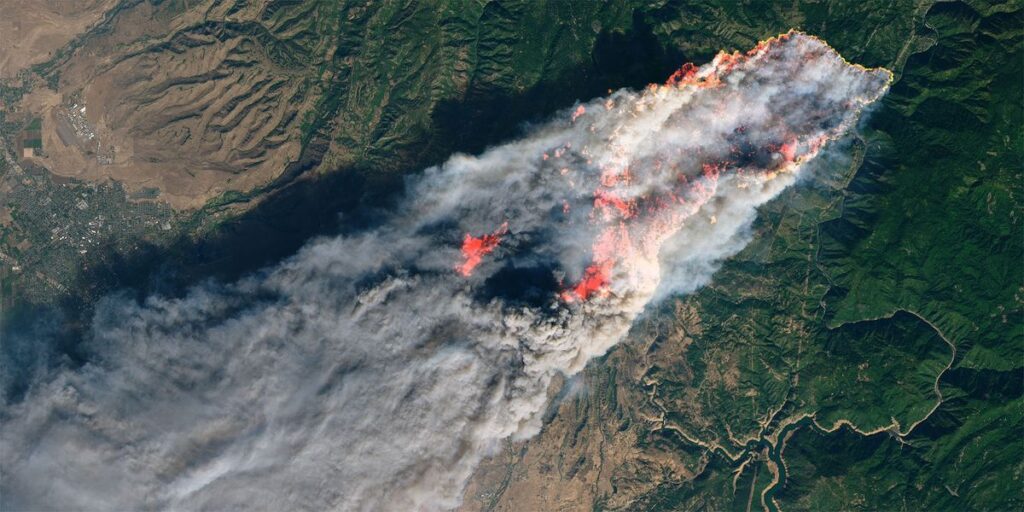
The surge in fire activity has become increasingly evident in recent years. Record-breaking blazes are no longer rare events but a recurring reality, with four of the five worst years for global forest fires happening since 2020.
2024 stands out as the most extreme year on record, with at least 13.5 million hectares of forest lost to fire — an area comparable to the size of Greece. This represents a 13% increase over the previous record of 11.9 million hectares set in 2023. Some estimates suggest that the actual scale of forest loss in 2024 may have been even higher.
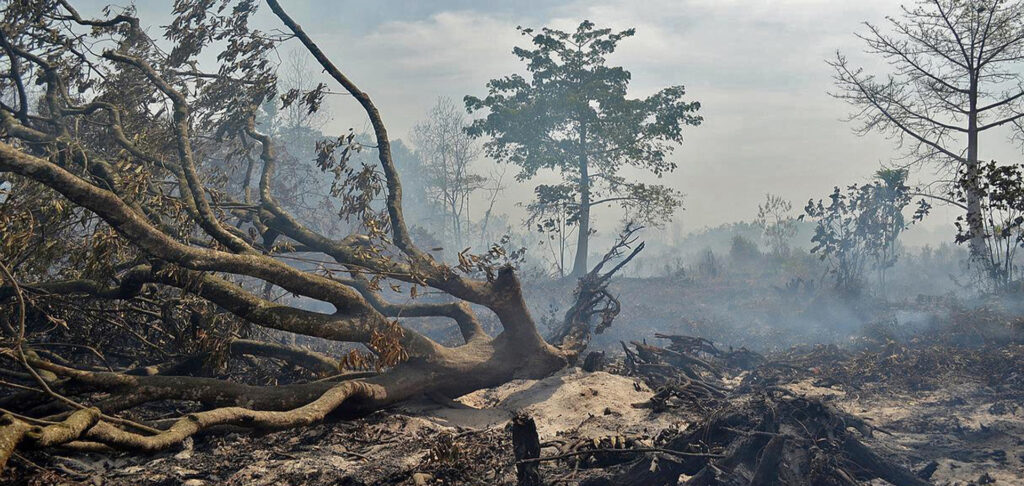
Last year marked the first time that major wildfires raged simultaneously across both tropical and boreal forests. Brazil, Bolivia, Russia, and Canada each faced some of their most devastating fire seasons since satellite monitoring began in 2001. In 2024, extreme fires in South America were especially intense, accounting for roughly one-quarter of the world’s total fire-related tree cover loss.
The consequences extend far beyond forest loss. These fires have destroyed homes and infrastructure, contaminated drinking water, and caused billions of dollars in property damage. Toxic wildfire smoke is estimated to contribute to more than 1.5 million deaths each year. As fires intensify, so do their cascading impacts—making swift, coordinated action more urgent than ever.
Fires Are Becoming One of the Leading Drivers of Global Forest Loss
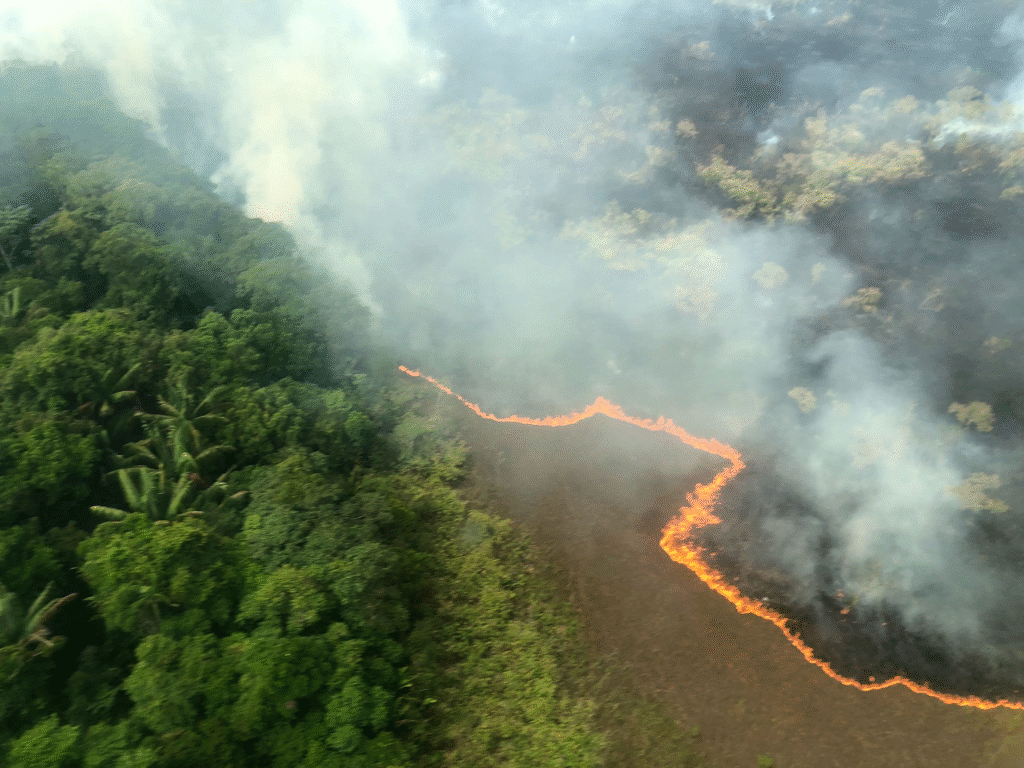
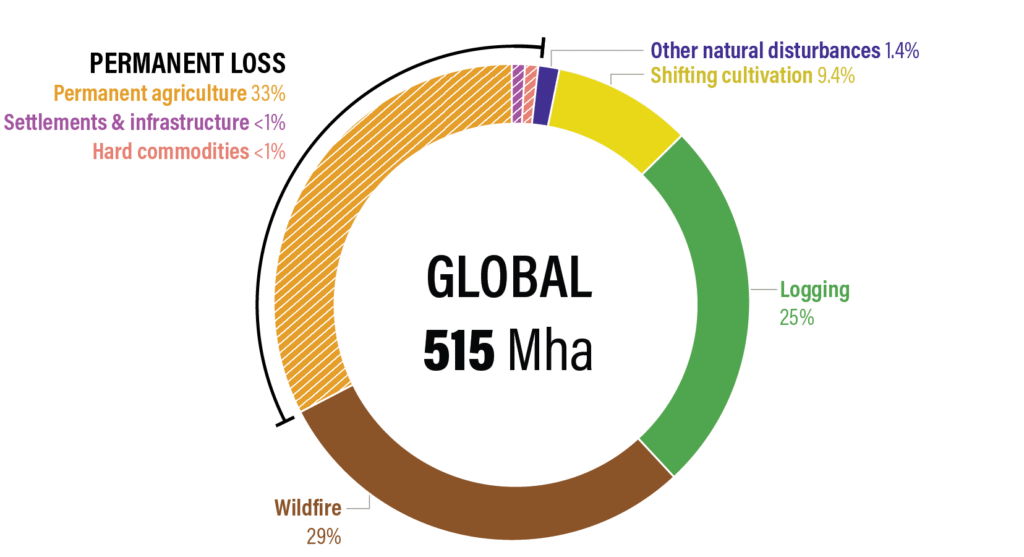
As wildfires intensify — even in regions historically considered low risk, such as the tropics — they are emerging as a major driver of global forest loss. Between 2023 and 2024, fires were responsible for nearly half (44%) of all annual tree cover loss, a steep increase from the 2001–2022 average of about one-quarter. Combined with persistent pressures like agriculture and logging, this surge in fire activity helps explain why global forest loss remains alarmingly high, despite international pledges to curb it.
Rising Temperatures Are Fueling More Intense Wildfires
Climate change is a key force driving the surge in global fire activity. Extreme heat waves are now five times more likely than they were 150 years ago — and their frequency is expected to rise as the planet continues to warm. Higher temperatures dry out vegetation and landscapes, creating ideal conditions for larger and more frequent forest fires.
When these forests burn, they release massive amounts of carbon stored in trees and soil. As fires grow in size and intensity, they emit even more carbon, further accelerating climate change. This creates a dangerous “fire–climate feedback loop,” where warming fuels more fires, and fires, in turn, fuel more warming.
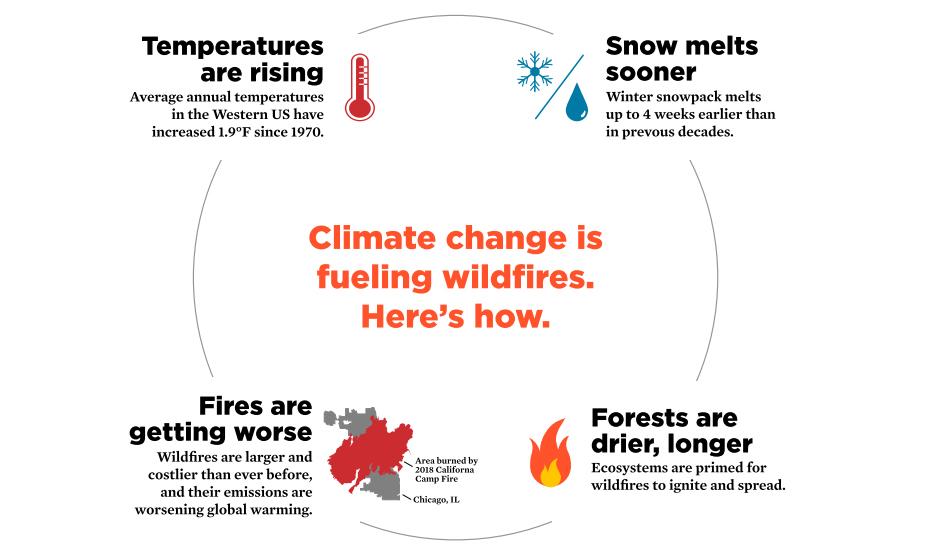
This dangerous feedback loop — intensified by the expansion of human activities into forested regions — is a major force behind the surge in fire activity we’re witnessing today. As climate-driven wildfires grow larger and spread farther, they will threaten more communities, disrupt critical infrastructure, and impose escalating costs on the global economy.
Boreal Forests Are Burning Hotter and Faster in a Warming World
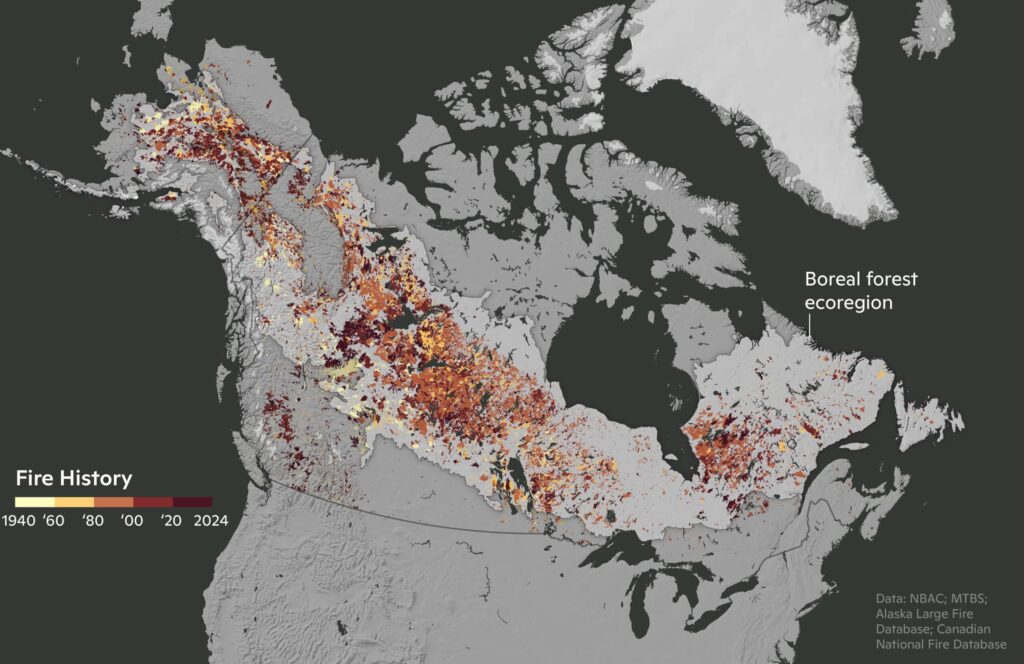
More than 60% of all fire-related tree cover loss between 2001 and 2024 occurred in boreal regions. While fire is a natural part of boreal forest ecosystems, the scale of tree cover loss has grown dramatically increasings by roughly 160,100 hectares each year over the past 24 years.
Climate change is the primary driver of this surge. Northern high-latitude regions are warming faster than the global average, leading to longer fire seasons, more frequent and intense wildfires, and significantly larger burned areas across boreal forests.
Russia experienced its three worst fire seasons on record between 2020 and 2024, with 2021 standing out as the most severe — more than 5.4 million hectares of forest burned. Prolonged, intense heat waves, which scientists say would have been nearly impossible without human-induced climate change, played a major role in fueling these fires.
In Canada, record-breaking wildfires scorched nearly 7.8 million hectares of forest in 2023 — about six times the country’s annual average from 2001 to 2022. Warmer-than-average temperatures and widespread drought created ideal conditions for these massive blazes, with some regions experiencing temperatures up to 10 °C (18 °F) above normal. The trend continued into 2024, with more than 4 million hectares burned. And by July 2025, Canada’s fire season was already the second-worst start on record, based on fire alert data going back to 2001.
Tropical Forests Face Rising Fire Risk from Human Activity
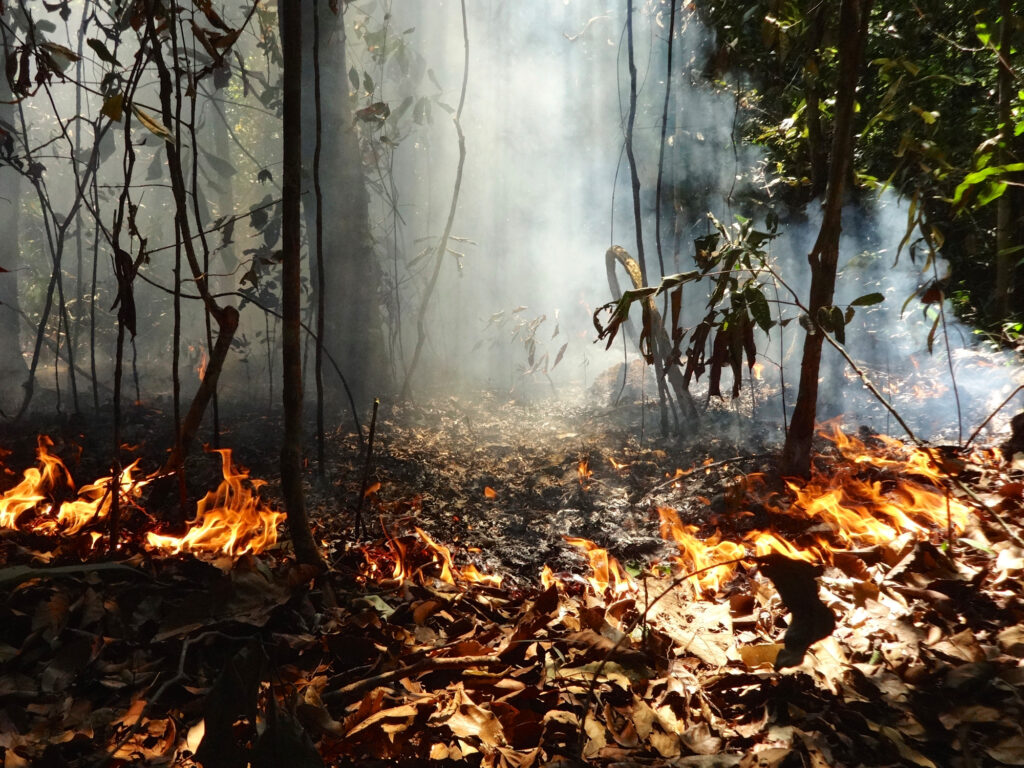
Unlike boreal forests, many tropical forests are not adapted to stand-replacing fires as part of their natural ecological cycles. Yet fire activity in the tropics has surged in recent decades. Over the past 24 years, fire-related tree cover loss in these regions has grown by roughly 47,200 hectares each year, peaking in 2024 with more than 4 million hectares lost — exceeding the total loss of the previous three years combined.
Even tropical rainforests — once shielded from fire by consistently heavy rainfall — are now burning at unprecedented rates. In 2024, fires were responsible for nearly half (48%) of all tree cover loss in primary tropical forests such as the Amazon and Congo Basin. These ecosystems are essential for storing carbon, protecting biodiversity, and stabilizing local climates. Alarmingly, 2024 marked the first year that fires overtook agriculture as the leading cause of forest loss in these regions.
Fighting Back: How to Prevent and Reduce Forest Fires
The causes of increasing forest fires are complex and differ across regions, with no single solution to address them all. While much has been written about wildfire management and fire risk reduction, the reality is that there’s no silver bullet.
Climate change is a major driver of more frequent and intense wildfires. Bringing fire activity back to historical levels is not possible without drastically cutting greenhouse gas emissions and disrupting the dangerous fire–climate feedback loop. While mitigating the worst impacts of climate change remains achievable, doing so will require rapid and transformative action across all sectors.
Beyond climate change, human activity in and around forests is making them more vulnerable to fire and is a leading driver of fire-related tree cover loss, particularly in tropical regions. Strengthening forest resilience by ending deforestation and forest degradation is essential to prevent future fires. Limiting nearby burning — especially during drought periods — can also help stop fires from escaping into forests. Integrating wildfire risk reduction into forest management strategies in fire-prone regions not only protects forest carbon but also supports rural livelihoods and creates economic opportunities.
While data alone cannot solve the wildfire crisis, recent fire-related tree cover loss data from Foresthaven space and other fire monitoring platforms provide powerful tools to track fire activity over time and in near real-time. These insights can help identify patterns, guide targeted interventions, and inform smarter forest protection strategies.